 Hebridean Passage
Where do your
people come from?
Type a Scottish place name, clan, or island. We'll chart a passage through the waters your ancestors knew.
One day on the water.
A lifetime in the making.
Every chapter below is drawn from an actual departure in September 2025. The names are real. The tides were real.
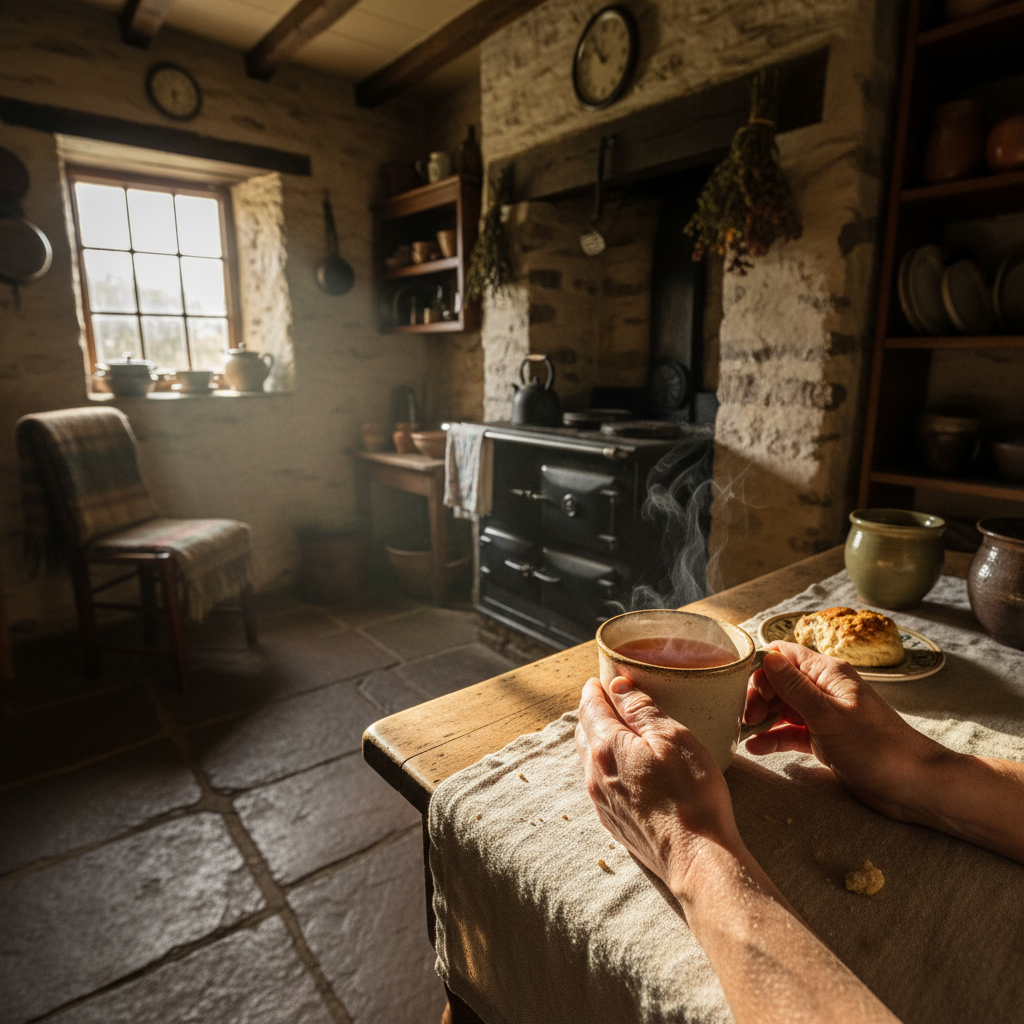
The croft kitchen, before the tide turns.
Fiona MacSween sets a blackened kettle on the range. The window frames Loch Seaforth, still as pewter. You wrap both hands around a mug of tea so strong it tastes of the bog, and she tells you — without prompting — that your great-great-grandmother left this parish on a Tuesday in November 1888. She knows because the session records are in the dresser drawer.
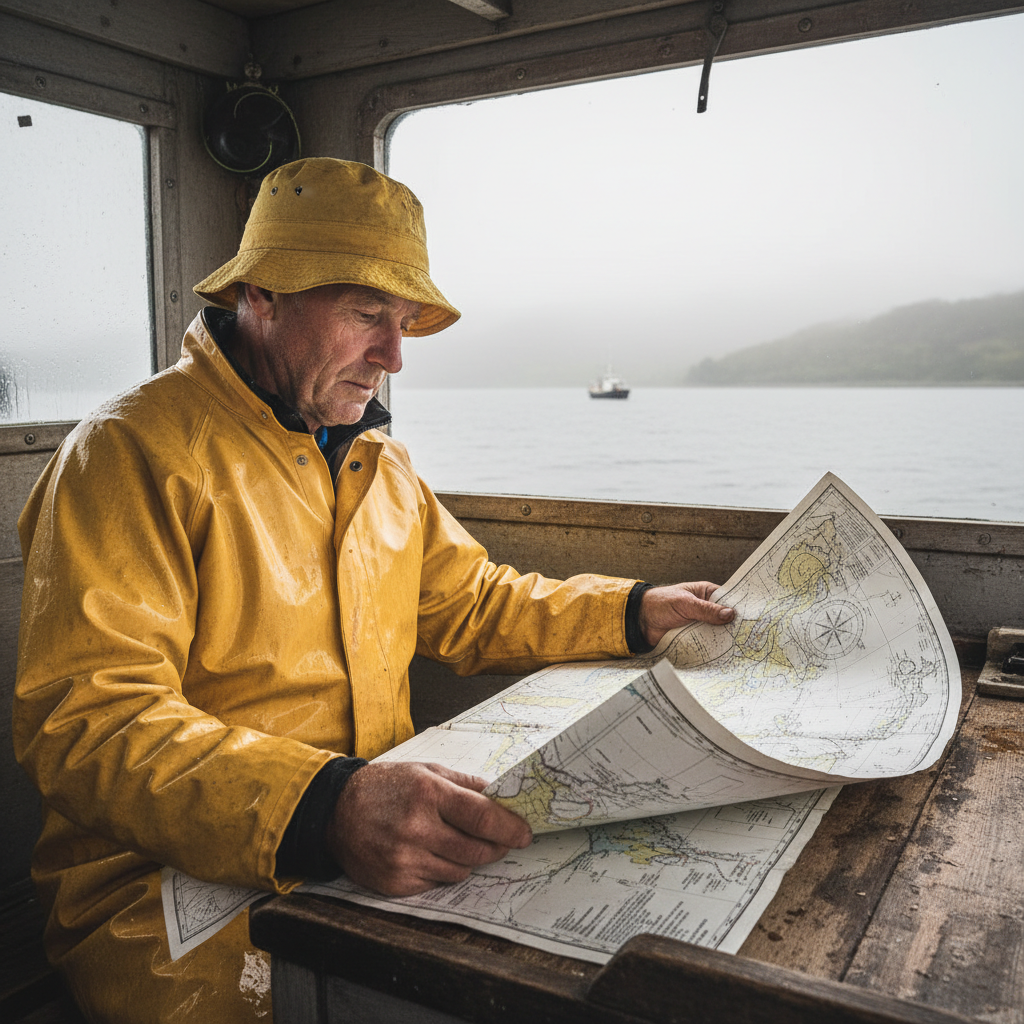
Ruairí reads the tide chart aloud.
The boatman — Ruairí Dòmhnallach, fourth generation on this water — narrates the chart like a poem. Neap tide, wind from the nor'west, three knots of current through the sound. You learn that the Gaelic word for "tide" is the same as the word for "time". He says this without irony. The wooden-hulled Màiri Bàn noses out of the harbour and the village slides behind you into the haar.
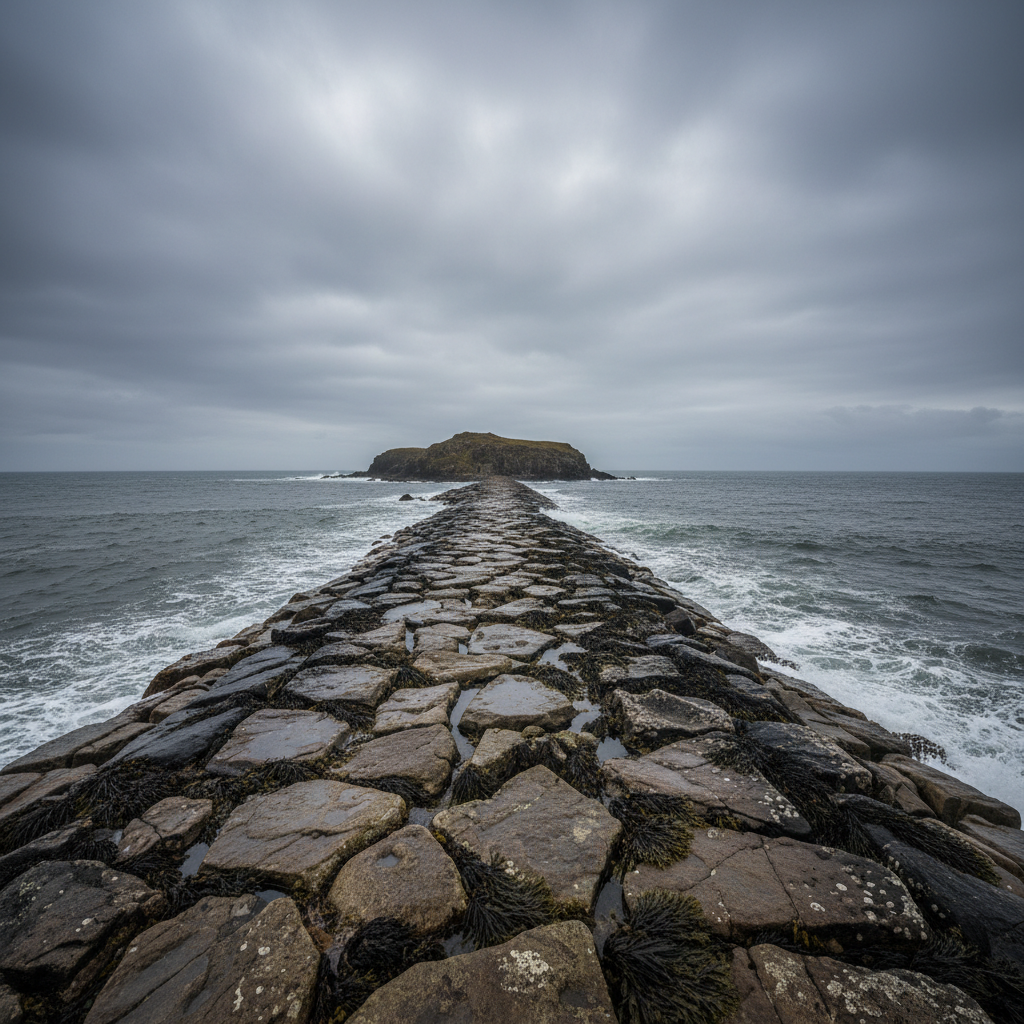
The tidal island appears at low water.
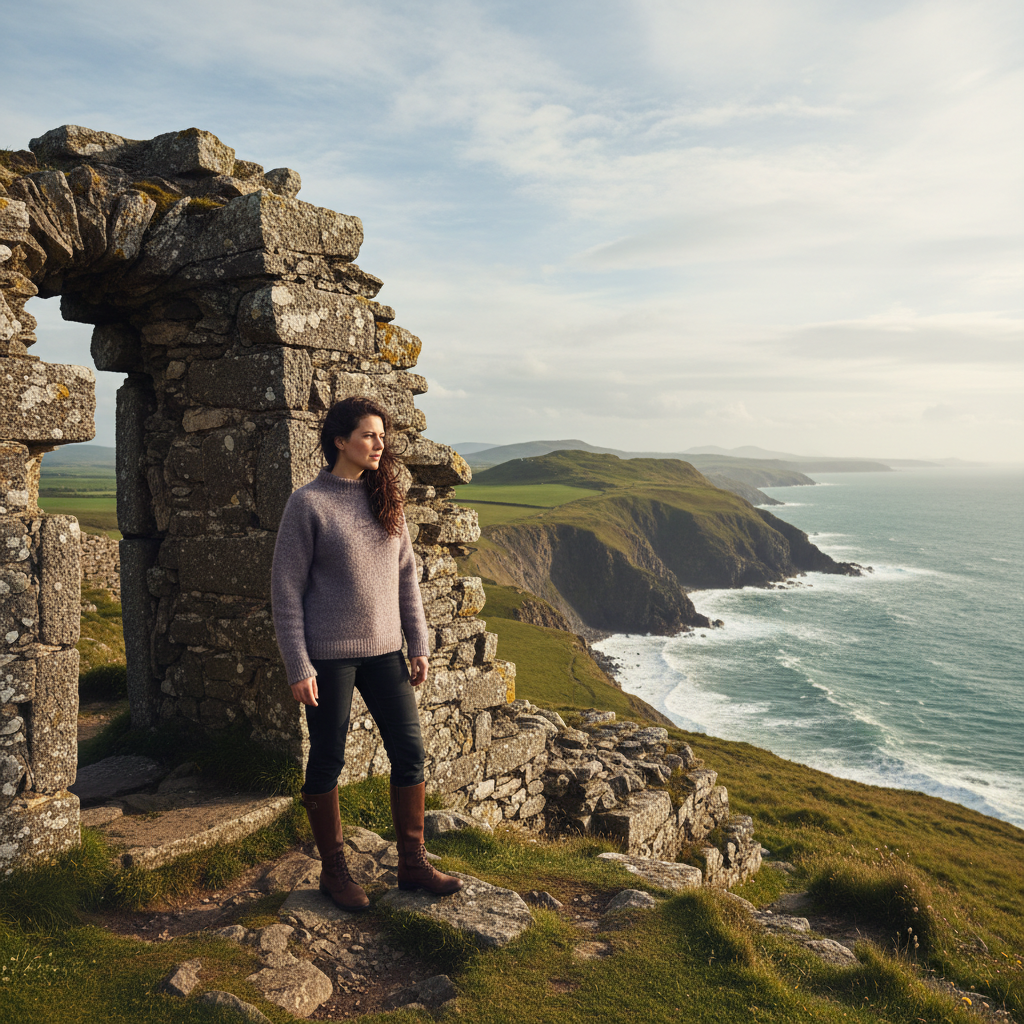
A causeway of black weed-slicked stone surfaces from the sea, exactly as Ruairí said it would. You walk it single-file, the Atlantic visible on both sides, and step onto an island that exists for four hours a day. The grass is short-cropped by wind. There is a well, a sheep skull, and a ruined blackhouse whose hearth-stone is still warm to the touch — or so it seems.
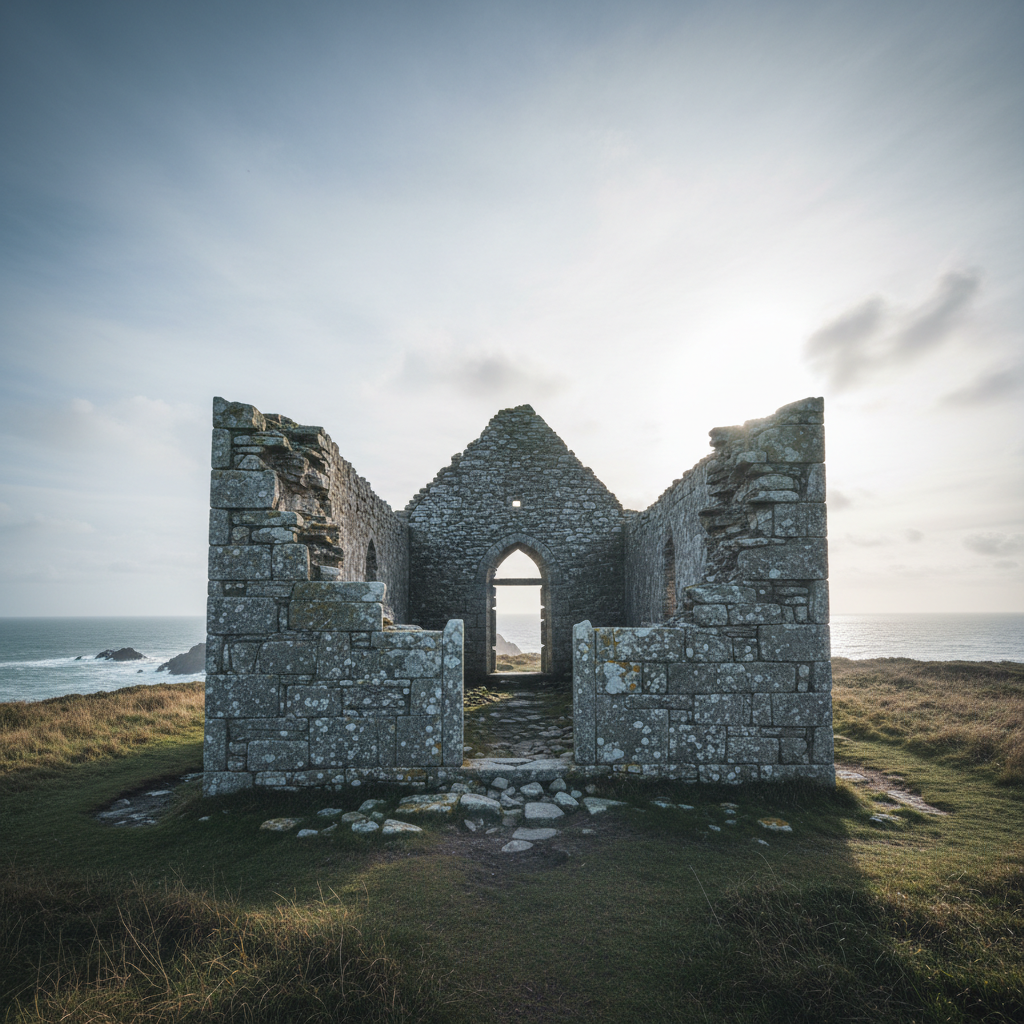
A Gaelic psalm in a roofless church.
There is no service. There is no minister. There is only the four of you standing inside the roofless walls of a twelfth-century chapel, and then Catriona — your guide, who studied Gaelic literature at Sabhal Mòr Ostaig — begins to sing. A precentor's psalm, unaccompanied, lined out in the old way. The sound moves through the stone and out through the open sky. Nobody speaks for a long time after.
Seal colonies and the long silence.
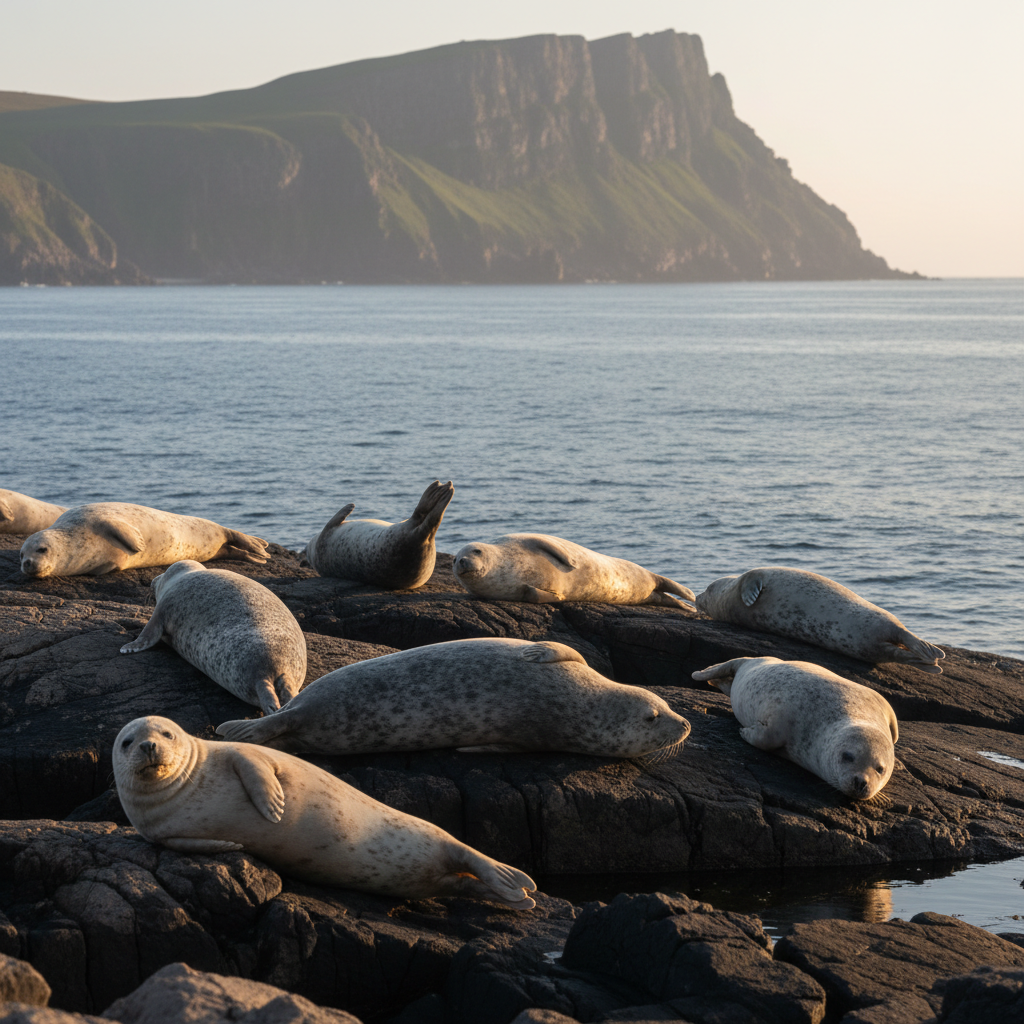
Ruairí cuts the engine two hundred metres off the skerry. Grey seals haul themselves on the rocks — forty, perhaps fifty — regarding the boat with the profound indifference of animals who have never learned to fear a human being. You sit in the rocking silence for twenty-three minutes. Someone counts. The only sounds are the water against the hull and the occasional exhalation of a seal. Later you will find this was the part you remember most.
Harbour supper, the day counted out.
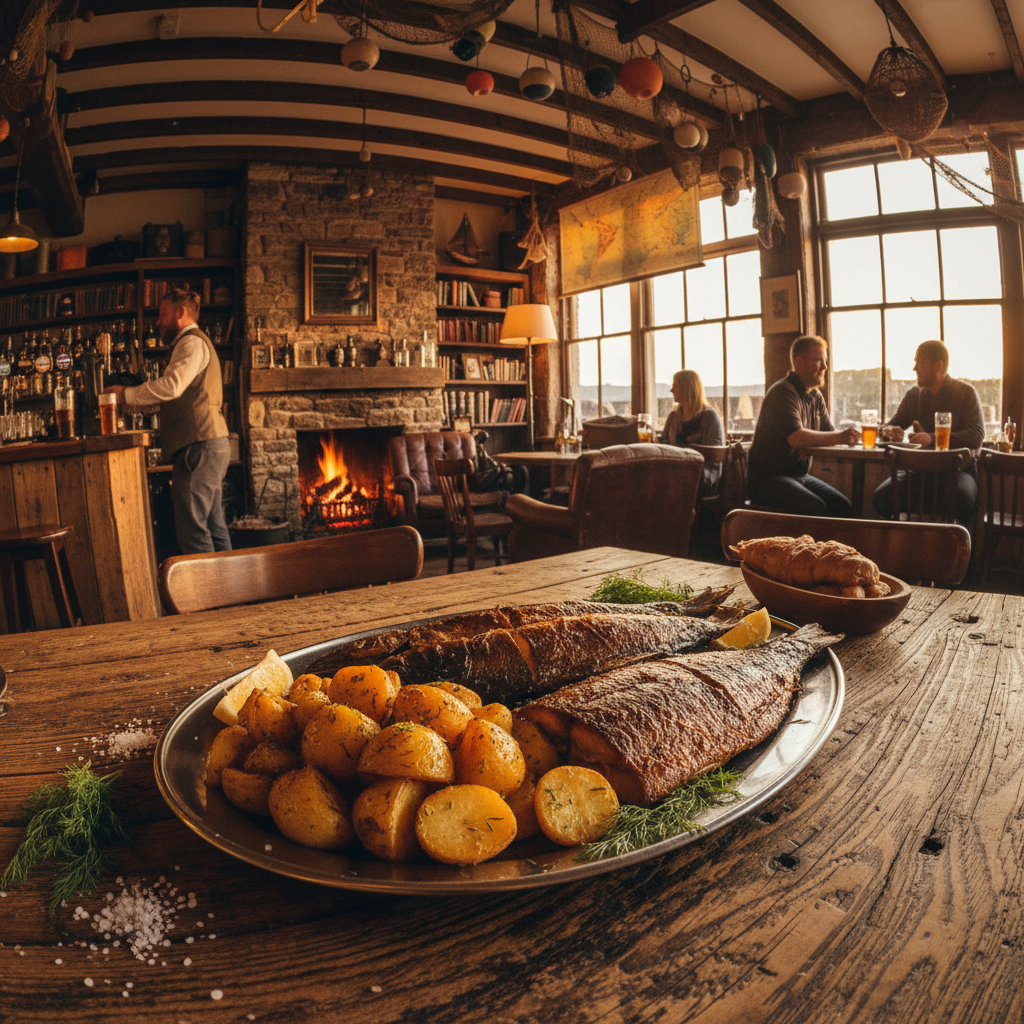
The Màiri Bàn comes back through the harbour mouth as the light turns amber. The fishermen are sorting creels on the pier. Someone's dog meets the boat. You eat smoked haddock and tatties at a table in the back of a pub that has no sign outside, and Ruairí orders in Gaelic, and the landlord answers in Gaelic, and you understand nothing and everything. The bill comes to less than you expected. The day comes to more.
The day already happened.
Make the next one real.
Six passengers. One wooden boat. The tides that shaped your surname. Departures from Stornoway, May through October 2026.
25% deposit secures your places · Full refund 60+ days before sailing · Prices from £245 per person
The Màiri Bàn.
Your vessel.
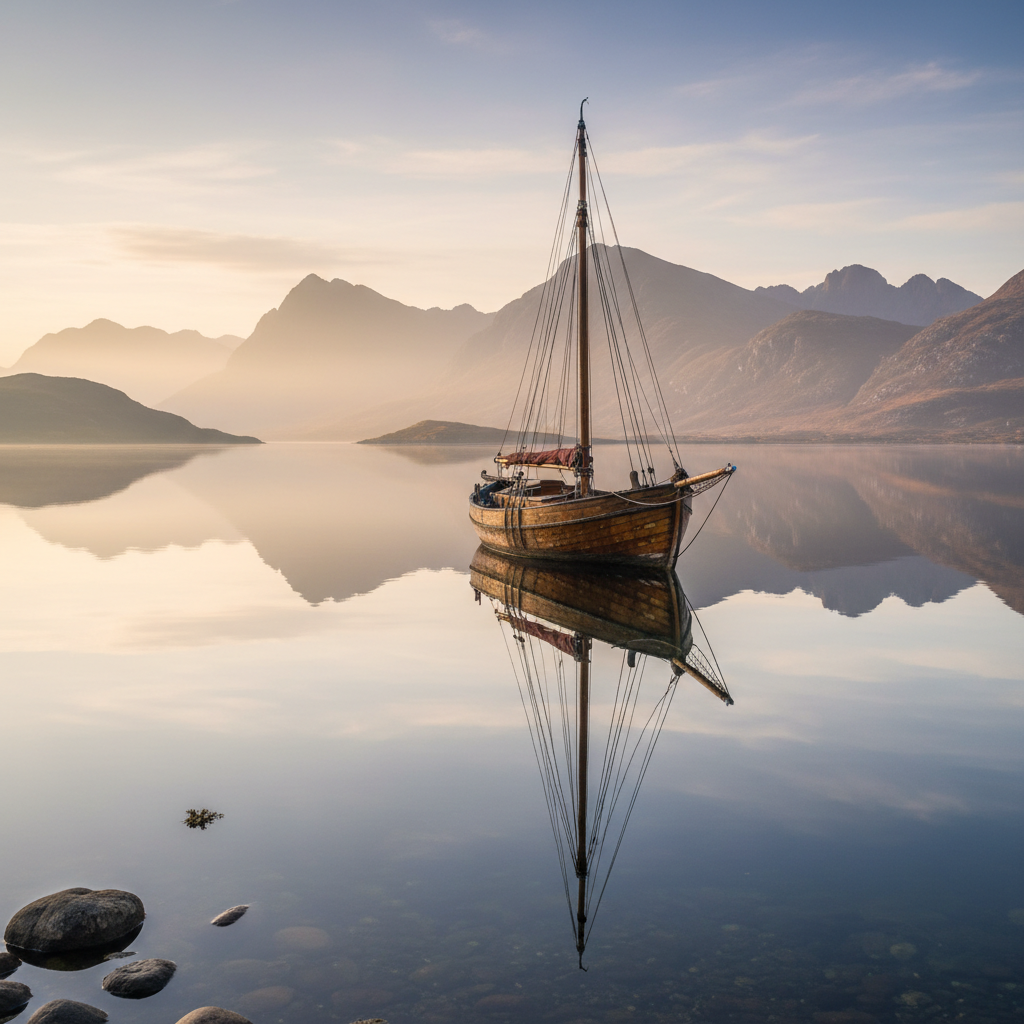
A 38-foot wooden carvel built in Stornoway in 1971. She has been on these waters longer than most of the roads.
38 ft
Wooden-hulled carvel
Built 1971, Stornoway
6
Maximum passengers
Never crowded
14 yrs
Operating these waters
Since 2012
97%
Return or refer
Of all guests
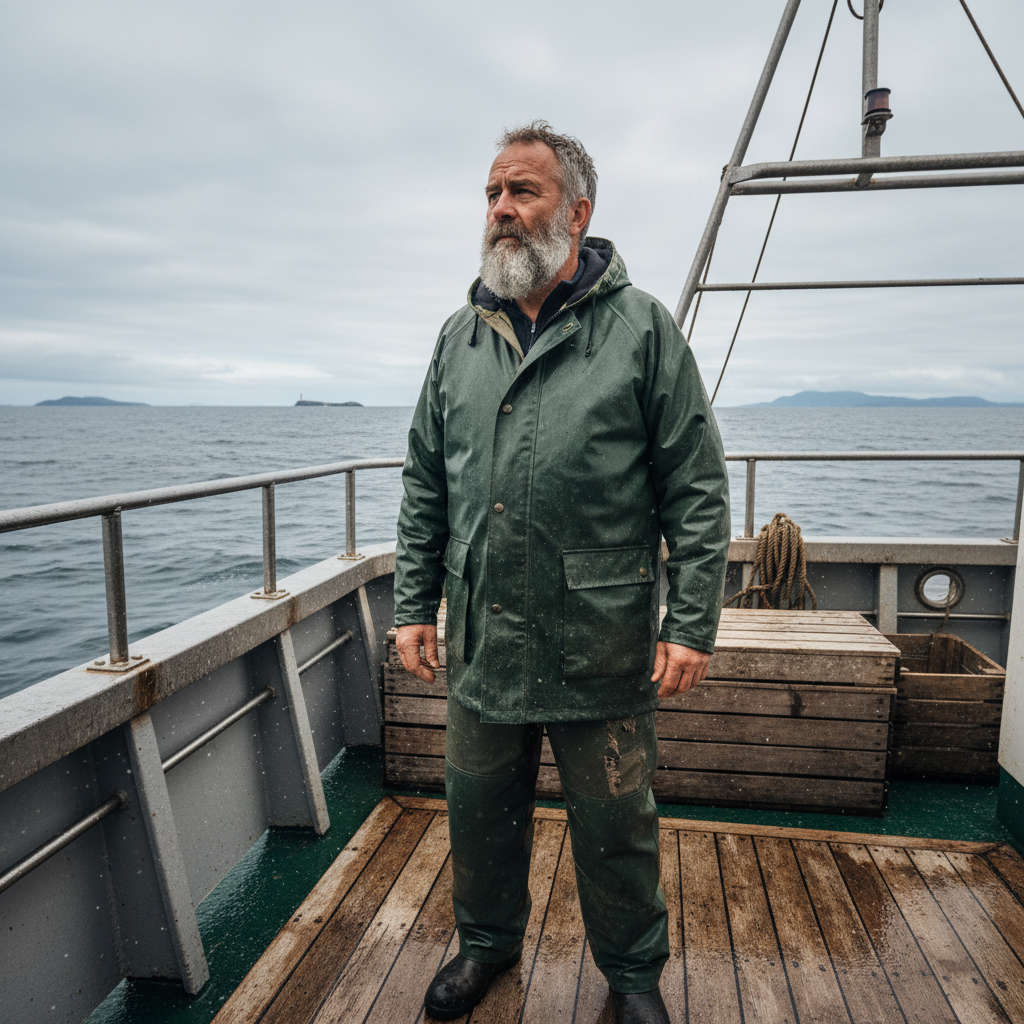
Ruairí Dòmhnallach
Skipper & Tide Reader
Fourth-generation Lewis fisherman. Holds an RYA Coastal Skipper certificate and a deep suspicion of GPS.
Catriona NicDhòmhnaill
Gaelic Guide & Historian
Sabhal Mòr Ostaig graduate. Knows every ruined chapel between the Butt of Lewis and Barra Head.
People who've made the passage.
Three voices. Three different reasons to come. The same water.
Ruairí steered us past the exact headland where the MacAulays cleared in 1851. He knew the year. He knew the family name. I had been researching this for eleven years and he knew it the way you know a neighbour.

Margaret Sutherland-Cole
Toronto, Ontario
Traced her surname to Uig, Lewis
We booked it for our fortieth anniversary. We'd done Paris, done Tuscany. This was the first trip that felt like it was about us — not a place we were visiting, but a place we were from, somehow.

David & Elspeth Mackenzie
Edinburgh, Scotland
Fortieth anniversary passage
I retired in June. By September I was standing in a roofless chapel on a tidal island while a woman sang a psalm in a language my great-grandfather spoke. You can't plan moments like that. Hebridean Passage somehow does.

Jim Galbraith
Melbourne, Victoria
Retired secondary school teacher
Visitors' Choice
VisitScotland 2025
5-Star Rated
218 verified reviews
Operated since 2012
Isle of Lewis
Departing Stornoway · May – October 2026
Salt on your lips.
Your name on the list.
Six places per departure. Wooden-hulled. Tide-dependent. Worth every mile you travelled to get here.
2026 departures — places filling from June onward
Reserve Your Passage
Choose your departure
2026 Departures · All depart Stornoway at 08:00
Group size
Family connections (optional)